

Plain English guide to cashflow
28 September 2026

Positive cashflow is the beating heart of your business. Dive into a Plain English guide to cashflow and find out how to get in control of your cash position.

Why is cashflow so central to good financial management? Here's a guide.


What is cashflow?


Cashflow refers to the movement of money into and out of your business over a specific period.


In the most basic terms, cashflow is the process of cash moving out of the business (cash outflows), and cash coming into the business (cash inflows). The ideal scenario is to be in a ‘positive cashflow position’. This means that your inflows outweigh your outflows – i.e. that more cash is coming into the business than is going out.


When you’re cashflow positive, the main benefit is that you have the liquid cash available to fund your daily operations and debt payments etc.


On the flip side, if you’re in a negative cashflow position, this can be a red flag that the business is facing some financial challenges – and that some serious cost-cutting and/or revenue generation is needed.


How does cashflow affect your business?


Not having enough liquid cash is one of the biggest reasons for companies failing. So it’s absolutely vital that you keep on top of your company’s cashflow position.


Key cashflow areas to focus on include:


  • Monitoring your cash inflows and outflows – this means regularly tracking your cash inflows from sales, loans and investments, as well as managing your cash outflows from expenses, purchases and debt repayments.
  • Managing your account receivables and payables – efficiently managing your customer receipts and supplier payments helps smooth out your inflows and outflows – and delivers stable cashflow that’s easier to predict and manage.
  • Getting proactive with your budgeting and forecasting – creating realistic cashflow budgets and forecasts helps you predict your future cash position. By anticipating your future cash needs, you can actively plan for potential shortfalls or surpluses. This should consider both fixed and variable overheads.
  • Investing in your cash reserves – with emergency cash reserves in the bank, you know you have the funds to handle unforeseen cashflow issues or sustain your operations during lean periods. This makes your whole cashflow position more stable.
  • Being in control of your stock inventory – having excess stock in your warehouse ties up cash. So, it’s a good idea to optimise your inventory levels and to only manufacture/order the items you need on a day-to-day basis.
  • Tax obligations – can trip up a lot of small businesses. Setting aside a percentage of every sale into a separate account avoids the nasty surprise when a payment date arrives.


How could we help you with cashflow management?


Positive cashflow is the beating heart of your business. Working with a good adviser helps you keep that cashflow healthy, stable and driving your key goals as a company.


We’ll help you keep accurate records, track your inflows and outflows and deliver the best possible cashflow position for the business.


Get in touch to chat about improving your cashflow.

man reviewing documents
5 October 2026
When was the last time you reviewed your business spending? We suggest a few key ways to review, manage and mitigate your operational costs and overheads.

hand putting money in piggy bank
15 September 2026
As a business owner, how much should you pay yourself? It depends on how much your business can afford, market pay rates, and whether reinvestment could pay dividends.
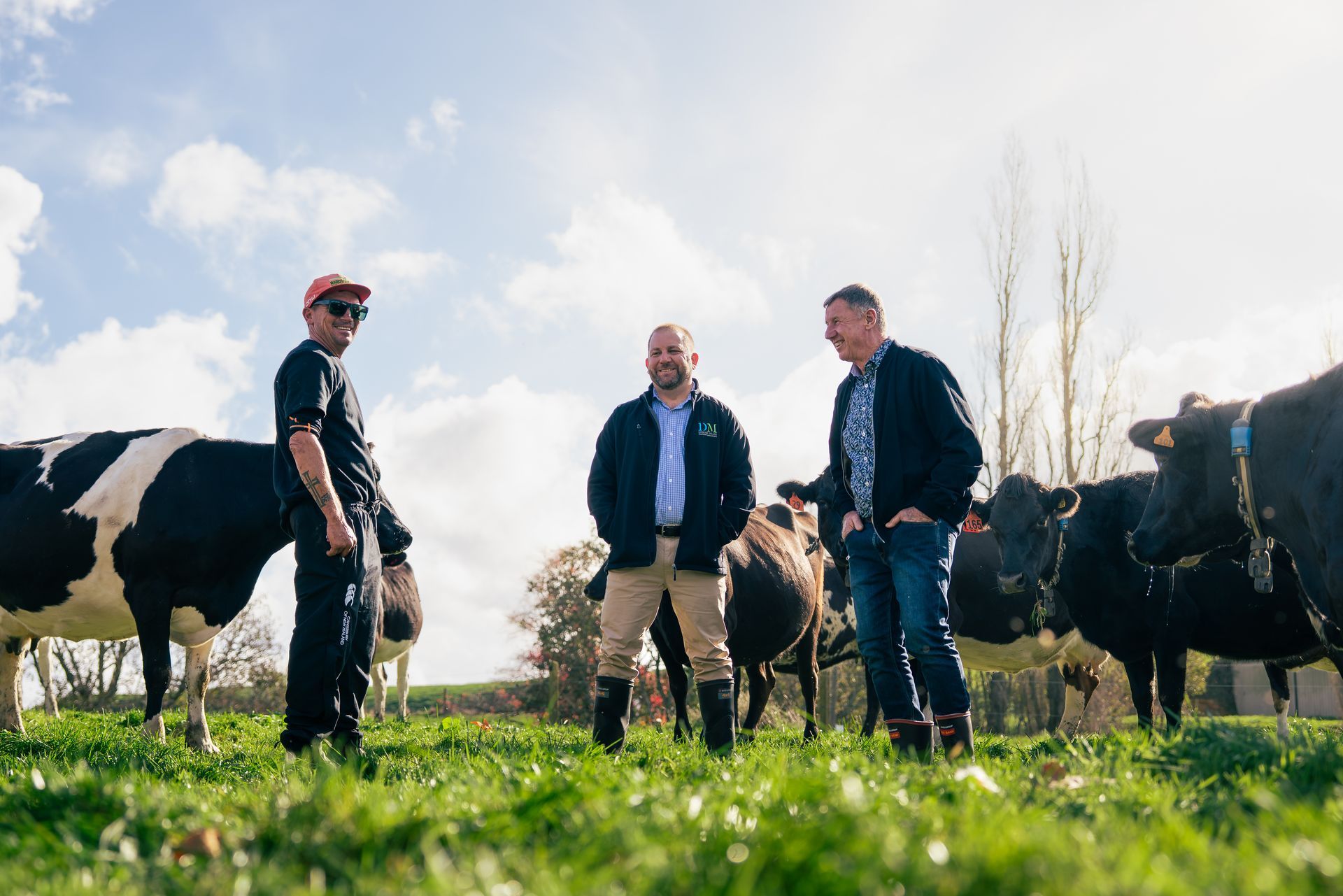
Better information supports better farming decisions
14 July 2026
We recently caught up with our clients Graeme and Margaret Shaw to talk about their farming journey, the goals they have worked towards and what has helped them make progress along the way.

Better tax planning, better business decisions
8 July 2026
Tax planning is about looking ahead, understanding your obligations and making informed decisions before the end of the financial year.

Making the most of your accountant’s advice
1 July 2026
Most business owners know their accountant plays an important role in keeping the numbers on track. From accounts and tax obligations through to regular reporting, good accounting support gives you a clearer view of how your business is performing.

Creating your initial Succession Plan
26 May 2026
It's never too soon to create a Succession Plan for your business! The longer you have to plan your exit strategy, the more value you can extract. Don't leave money on the table or be forced to work longer, start planning now!
How an accountant supports your business: 5 key areas of focus
14 May 2026
A good accountant talks to you regularly throughout the year. Here are five key ways we can support your financial management and the performance of your business.
Are you up to speed with the recent changes to fringe benefit tax (FBT)?
4 May 2026
Do you provide fringe benefits to your employees? If so, you may need to update the tax treatment of these benefits to fall in line with the new fringe benefit tax (FBT) legislation.

New: Contract Milking Accelerator Programme
6 April 2026
We’ve recently launched a new Contract Milking Accelerator Programme, designed to support contract milkers in managing the financial side of their business.

Celebrating our new Associates
1 April 2026
We’re pleased to announce the appointment of Grant Glover and Sharlotte Salisbury as Associates at Diprose Miller. They are based in our Morrinsville office.

Show More