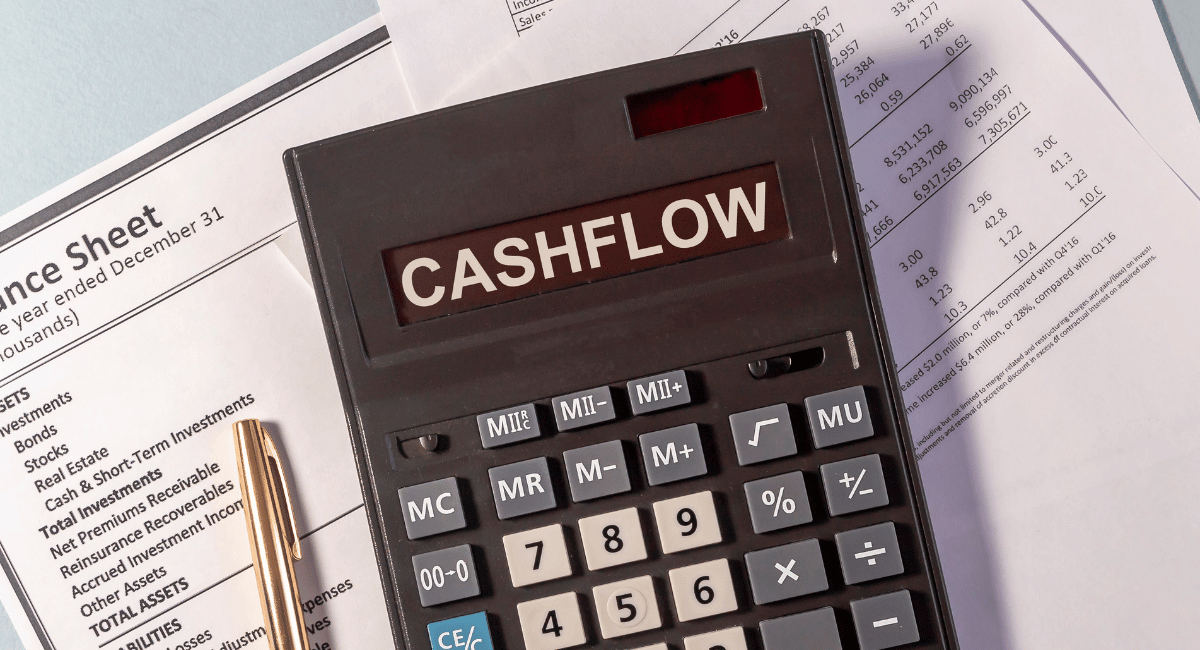
Getting paid on time is crucial for the cash flow of your business and so you can pay suppliers, employees, and overheads. The easier you make it for customers to pay you, the faster you’ll see money coming in. Here are four tips on how to speed up payments and get paid on time.
Set clear payment terms
Your payment terms are the starting point, and they set out when you expect to be paid and form a legally binding contract with the customer. You may expect immediate payment on receipt of the invoice. Or you might set out a specific number of days that the customer has to pay the invoice, which has often been the 20th of the following month. However, you’re free to set whatever payment terms you like – on receipt, 7 days, 14 days etc – just make sure it’s clear to the customer.
Your payment terms should also include details of any late payment penalties. If the customer doesn’t meet your agreed payment times, some businesses will add a 1% to 1.5% monthly late payment fee to the outstanding bill. This acts as a great incentive for the customer to pay the bill, before the penalty fees start mounting up.
Invoice customers as soon as you can
In a business-to-consumer (B2C) environment, your customers will generally pay for their goods and services immediately. But when you’re working in the business-to-business (B2B) world, you’ll need to send your customer an invoice, asking for the money to be paid.
A customer can’t pay you until you invoice them, so the quicker that happens, the sooner you’re likely to be paid. For larger projects, the total cost will be broken down into multiple invoices, paid across a period of time. This makes it easier for the customer to pay and means you (as the supplier) don’t have to complete the project before receiving the money you’re owed.
Ideally, you want your invoices to go out as early as possible. This allows your payment terms to kick in and makes it easier to predict when cash will be coming into the business.
Be organised about your payment admin
Getting paid is a process – and the more organised you make the process, the quicker the payment will be received. When you send out the invoice, make sure you send it to all the relevant people in the payment chain. This will usually be:
- Your main contact at the client – the person who you usually deal with.
- The person who will approve the bill – the person who will green-light the payment.
- The finance team – the person (or people) who will actually action the payment.
It’s also a good idea to quote all relevant purchase order (PO) numbers that the customer has raised, and to give a very clear description of the work done, or the goods purchased. Also make sure that all your bank account details for payment are on the invoice.
Embrace the available payment technology
Invoices used to be hard-copy printed bills, but in the digital age the vast majority of companies will send out e-invoices. Electronic invoices are easy to raise (usually from your accounting software or project management app) and can be emailed out instantly. Doing everything in the digital realm also makes it easier to keep records and keep track of payments.
Many e-invoice systems will also let you add a variety of different payment options for the customer. You could just include your bank details and wait for the customer to make a direct payment to your account. But you can also include payment buttons in the e-invoice that give customers the option to pay via digital payment gateways, like PayPal or GoCardless etc.
Offering more ways to pay makes the whole process more convenient for your customers – and will generally result in faster payment times as a result.
If you need help speeding up your payment times to boost your cash flow, let us know. We can help you streamline your payment processes and embrace the latest in payment tech.